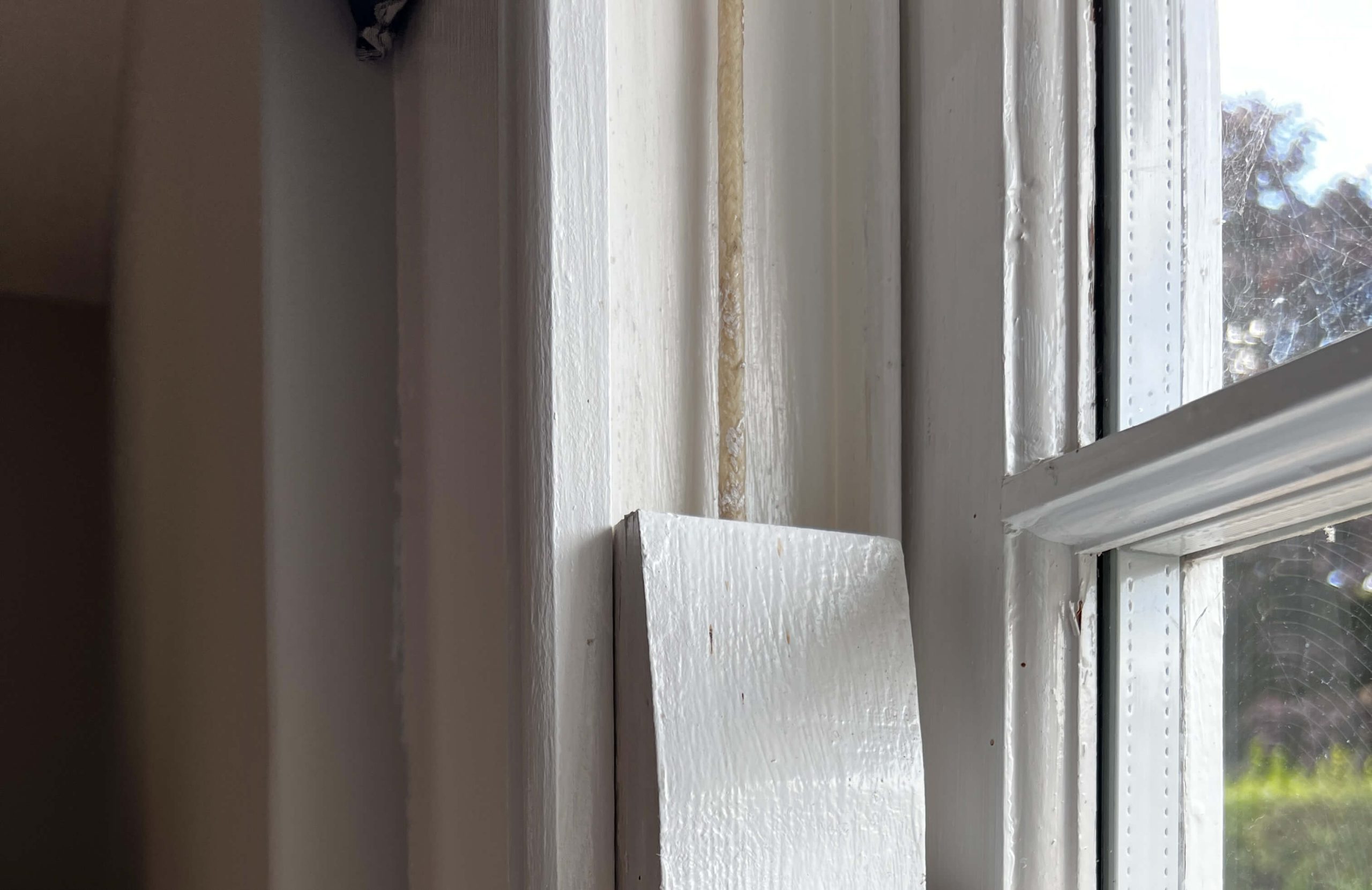
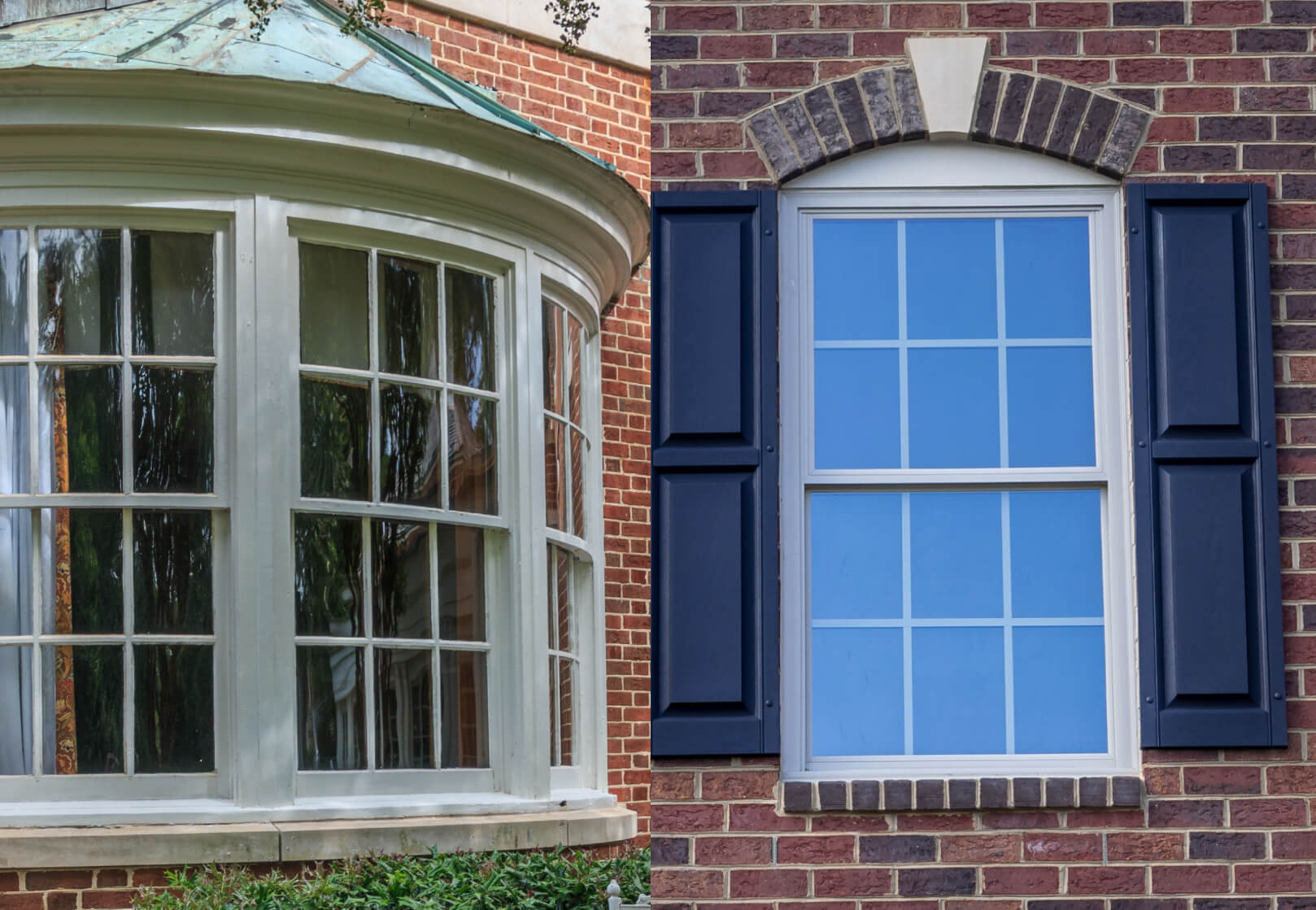
Woodwork projects face an essential decision between eggshell and satinwood paint because time period home restorations along with sash window repairs and skirting and door renovations need proper deliberation.
Both finishes share similar low gloss levels and tough properties but their visual characteristics and performance factors determine the effectiveness of your final outcome.
The comparison of four leading UK paint systems identifies their unique advantages and disadvantages while showing how they work well in sash window double-glazing restoration projects.
This essential information replaces the marketing content because it covers all necessary aspects of this topic.
Common misconceptions claim modern eggshell and satinwood finishes show differences beyond their visual appearance.
| Feature | Eggshell | Satinwood |
| Sheen level | 10–25 GU (low-lustre, matte-soft) | 35–55 GU (warm, reflective glow) |
| Resin base | Usually 100% acrylic | Often acrylic-alkyd hybrid |
| Flexibility | Higher — moves with timber | Moderate to high (brand-dependent) |
| Durability | Good for low-traffic areas | Excellent for high-wear surfaces |
| Aesthetic effect | Subtle, heritage-appropriate | Crisp, contemporary, “cleaner” look |
Eggshell paint absorbs light which reduces color intensity and covers up minor defects in old wood. The equal light reflection of satinwood shows all brush marks and filler lines and sanded dips but brings depth and definition to the surface.
Historic home preservation officers apply eggshell paint to maintain original looks while using satinwood for newly constructed elements and contemporary design decisions.
The General Advice blog publishes information about finish selection in relation to lighting conditions and surface quality through its articles on moisture mapping and prep checklists and colour testing in actual work environments.
The team conducted twelve months of testing on reclaimed pine sash components and MDF to evaluate flow performance and hardness through pendulum tests and scrub resistance and long-term flexibility.
Cost (2.5L): £48
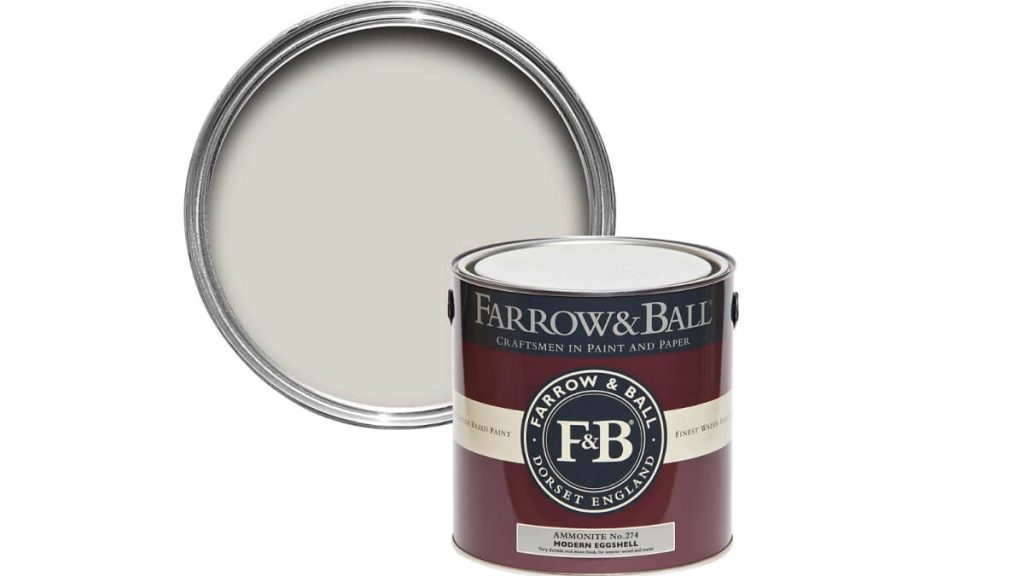
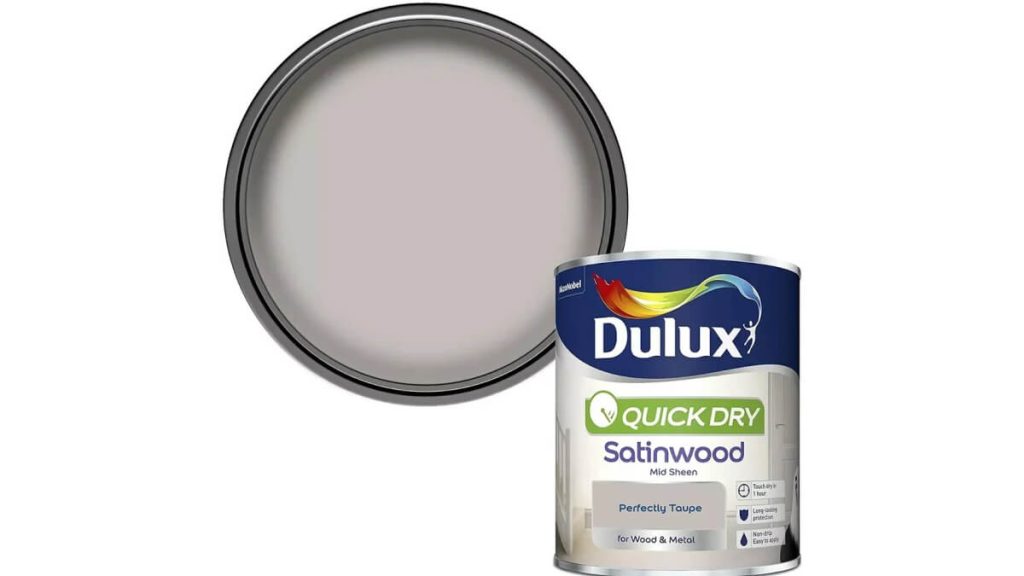
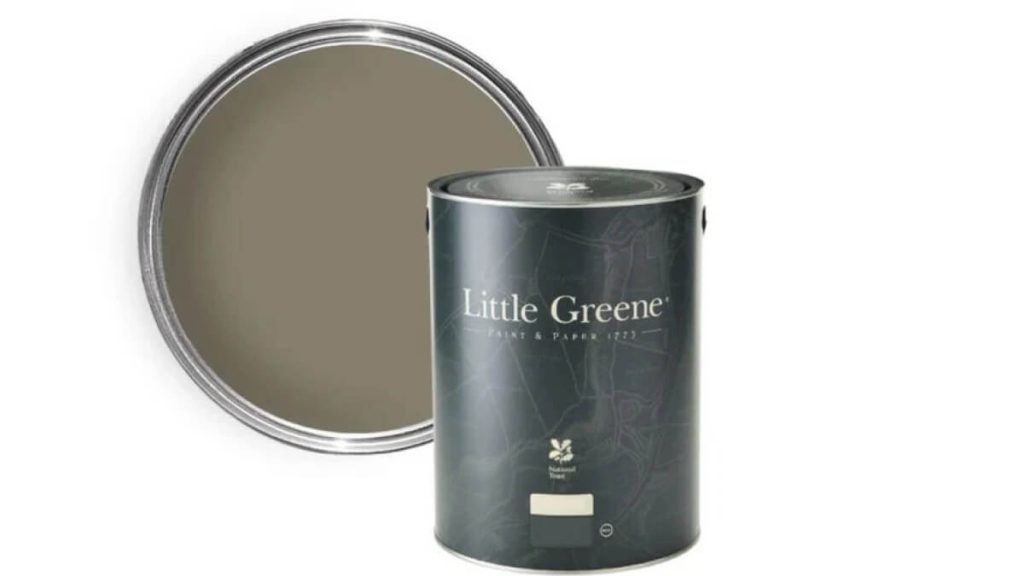
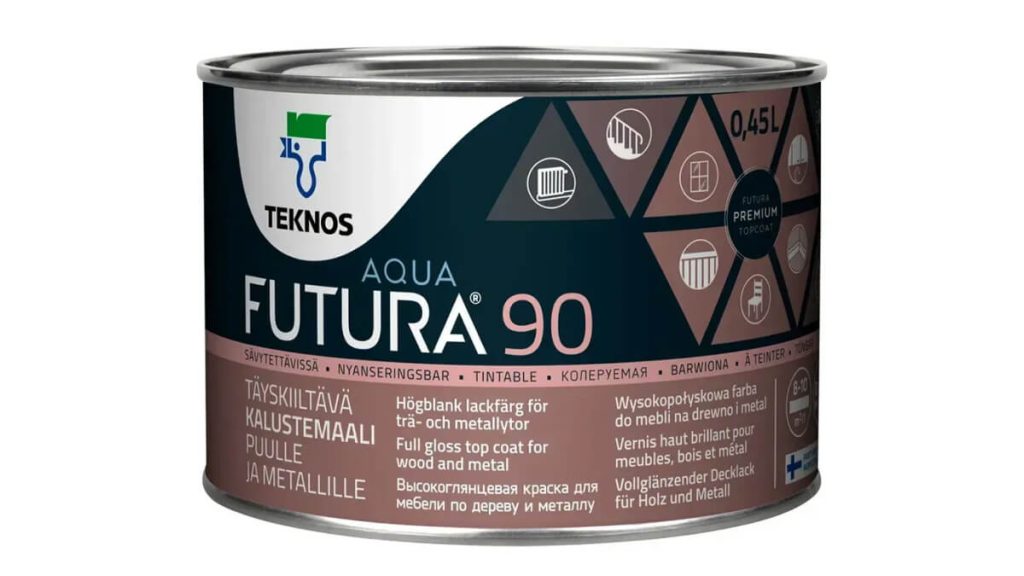
The 10 Best UK Paint Brands offers a full analysis of paint brands with information on their VOC levels and coverage and batch testing and availability evaluation.
Use Eggshell for:
Choose Satinwood in the following situations:
Exterior woodwork including sills and porch columns requires microporous finish products like Sadolin Superdec which we evaluate in our external wood paint guide.
Dedicated floor-grade systems outperform other coatings when it comes to floor and stair tread protection. The bathroom requires a paint which is specifically formulated to defend the shower enclosure from water damage.
Brush Selection:
For eggshell painting synthetic brushes should include Hamilton Perfection soft brushes. This paint will require a smooth application process due to its lower solids content.
For Satinwood finishes, use firmer china bristle (e.g. Purdy Nylox) brushes. The application of high solids content requires steady and uniform movements.
The 10 Best UK Paint Brands article provides guidance about which brushes work best with different paint systems.
| Finish | Thinning | Ideal sprayer |
| Eggshell | 5–10% water (check TDS) | Wagner W100 (DIY), Graco X5 (pro) |
| Satinwood | ≤5% (hybrids thicken fast) | Wagner ControlPro 350M, Teknos-compatible airless |
Considering spraying? Our Best Paint Sprayers UK Review details masking strategies, thinning ratios, and top models for woodwork—including how we use airless sprayers on sash windows post-refurbishment.
The team at Chameleon Decorators views window painting as a single step that needs to be connected with their heritage window upgrade work. Stretching the sashes occurs when we implement slim-profile vacuum double glazing.
This demands a flexible, low-friction finish to maintain smooth operation.
We also always:
The Islington Victorian terrace received vacuum double-glazing and Little Greene Intelligent Eggshell applications for glazing and finishing. Two winters have passed without any signs of sticking or peeling or condensation damage while maintaining the original historic character of the home.
Choosing Confidently Ask yourself:
The ordering process for sample pots exists as an option for those users who need additional guidance. As we advise in The 10 Best UK Paint Brands : “Test in your lighting, on your timber—before committing.”
The two finished eggshell and satinwood work together instead of competing with each other. The most effective approach for these projects involves using eggshell for sashes and period details which preserves authenticity and flexibility while satinwood provides durability and definition for doors and skirtings.
The water-based formulations available today provide both heritage preservation and practical functionality so users do not need to select between the two. The proper combination of finish selection and surface preparation and application technique produces enduring beauty and functional results for both DIY hallway refreshers and townhouse restoration owners.